Polish Learning Insights
Tips, guides, and strategies for your Polish language exam preparation.
 Exam Guide
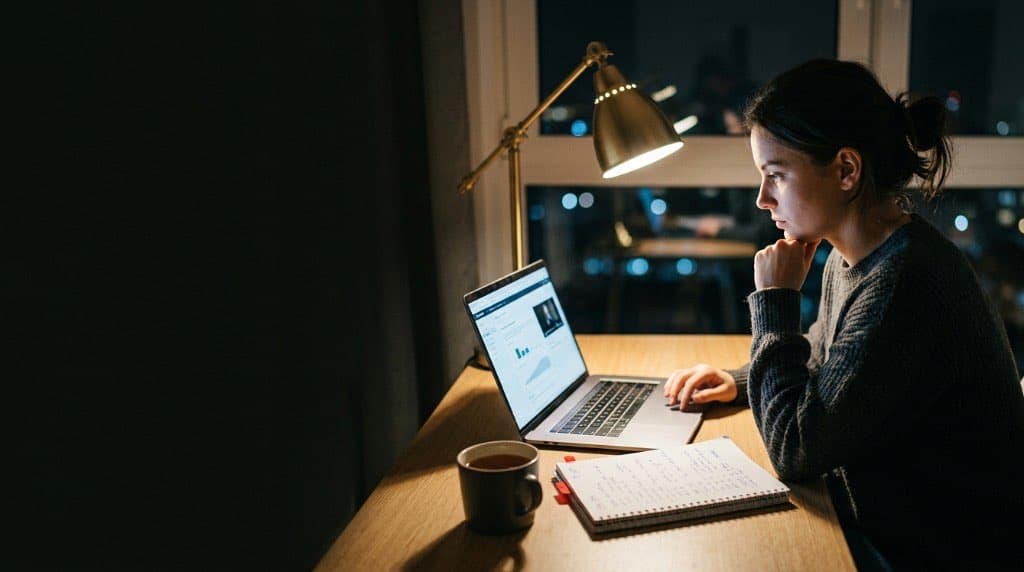
Polish B1 Exam Format 2026: 5 Sections, Times & Pass Score
Clear B1 exam breakdown: all 5 sections, exact time limits, how scoring works, and the 50% pass rule — so you know what to practice before exam day.
2 min read
Read more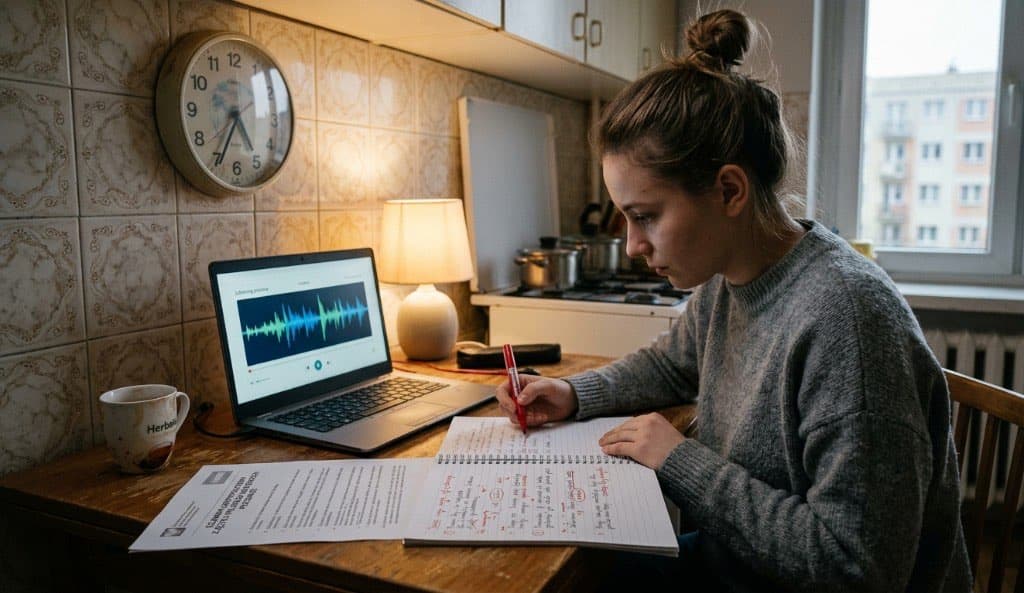 Writing Tips
5 Common Mistakes in Polish Writing Exams
Most writing exam failures come from five patterns: mixing formal and informal register, ignoring the required text structure, weak paragraph transitions, incorrect case endings in common phrases, and running out of time on the second task. Recognizing these patterns before exam day means you can practice around them.
2 min read
Read more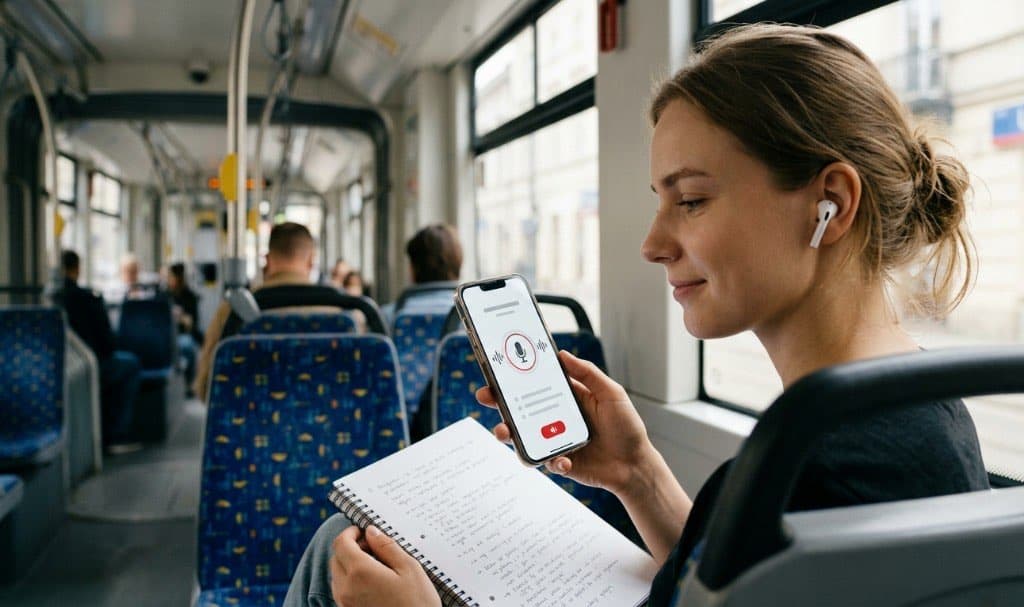 Study Tips
How to Improve Your Polish Listening Skills
Polish listening comprehension improves fastest when you match input to your level. Start with slow, clear recordings and work up. Listen twice: first for the general meaning, then for specific details. Practice with exam-format questions — not just passive listening. Even 15 minutes of focused listening practice daily makes a measurable difference within weeks.
2 min read
Read more- Grammar
Polish Grammar Cases Made Simple (Tables & B1/B2 Exam Exercises) | PolishReady
Master Polish cases (mianownik, dopełniacz, biernik, etc.) for your state exam. Clear explanations, patterns, and exam-focused practice with answers.
2 min read
Read more - Speaking
Polish B1 Speaking Exam: 15-Minute Tasks & Prep Tips
What happens in the 15-minute B1 speaking exam: pictures, situations, opinions — plus how to practice fluency, phrases, and confidence before test day.
2 min read
Read more - Study Tips
Advantages of Ukrainian and Belarusian Speakers Learning Polish
If your native language is Ukrainian or Belarusian, you already understand more Polish than you think. Shared Slavic roots mean 60–70% of basic vocabulary is recognizable. But watch out for false friends: 'uroda' means beauty in Polish, not ugliness. 'Sklep' is a shop, not a basement. The biggest real challenges are perfective/imperfective verb pairs, nasal vowels, and formal register. Focus your study there instead of starting from zero.
3 min read
Read more - Writing Tips
Polish B1/B2 Writing Exam Walkthrough: Structure & Timing
Handwritten letter or opinion essay? A minute-by-minute B1/B2 writing plan: text type, structure, linking phrases, and a 10-minute proofread checklist.
3 min read
Read more - Exam Guide
Exam Day Checklist: What to Bring and How to Stay Calm
Exam day logistics matter more than people think. Bring your passport or residence card (dowód osobisty won't work for non-citizens in some centers), a blue or black pen, and your confirmation email. Arrive 30 minutes early. The exam runs about 190 minutes with short breaks between sections. Eat before you go — there's no food break. If you don't understand an instruction, you can ask the examiner to repeat it in Polish. Deep breaths between sections help more than last-minute cramming.
3 min read
Read more - Grammar
B2 Grammar: Mastering Aspect and Complex Sentences
At B2, examiners expect you to handle perfective and imperfective verbs correctly, use conditional mood (gdybym wiedział…), and build complex sentences with subordinate clauses. The most common B2 grammar mistakes: wrong aspect in past tense narratives, missing 'się' in reflexive constructions, and confused word order in 'że' clauses. Practice by rewriting simple sentences into compound ones, and drill verb aspect pairs until the choice feels automatic.
3 min read
Read more - 2026 Exam
How to Register for the Polish B1 Exam: Centers, Seats & Documents
You register at an authorised exam center, not on a national portal. What to prepare, when seats fill, and where to check the 2026 calendar.
2 min read
Read more - Study Plan
How to Prepare for the Polish B1 Exam: 6-Week Study Plan
A week-by-week B1 plan with hours, skills, and exam-format drills — not a second overview of the certificate. Built for candidates who already use everyday Polish.
1 min read
Read more - 2026 Exam
Missed the June Polish Exam? Your Autumn 2026 Options
If you missed the 27–28 June session, or specifically need B2, here's what the rest of 2026 actually offers: B1 and C1/C2 return on 17–18 October, but adult B2 does not. Plan around the real calendar, not the one you assume exists.
3 min read
Read more - C1 Guide
Can You Reach C1 Polish? Hours, the B2 Jump, and Who Actually Passes
C1 is a longer B2 — not native-level luck. Hours from B2, what the papers change, who typically passes, and how to plan if October 2026 is your window.
2 min read
Read more - 2026 Exam
Registration for the October 2026 Polish Exam Is Open: What to Do Now
Registration windows for the 17–18 October 2026 session typically open around mid-August. Here's exactly what to prepare, in what order, so you don't lose your seat to a slower applicant.
3 min read
Read more - 2026 Exam
No Adult B2 Session Until Next Year? Here's How to Use the Wait
Adult B2 last ran in June 2026 and won't return until sessions cycle back next year. Before you write off the rest of 2026, check whether you actually need B2 — and if you do, here's how to use the wait productively.
2 min read
Read more - Exam Guide
How Polish Exam Results Are Delivered: Timelines and What to Expect
You've finished the exam — now what? Here's how the State Commission typically communicates results, realistic timelines, and what your certificate actually looks like once it arrives.
2 min read
Read more - C1 Guide
C1 Polish Reading Strategies: How to Handle Long, Abstract Texts
C1 reading passages are longer, denser, and more abstract than B2 — and skimming for keywords stops working. Here's how to actually read at C1 level under exam time pressure.
2 min read
Read more - Writing Tips
How to Pass the Polish B1 Writing Exam: Guide & Checklist | PolishReady
Master the written portion of the official Polish B1 certificate exam with our structural rules, formal phrase lists, and downloadable writing checklist.
2 min read
Read more
Ready to start practicing?
Personalized exercises at your level. Start for free, no credit card required.
Start preparing free